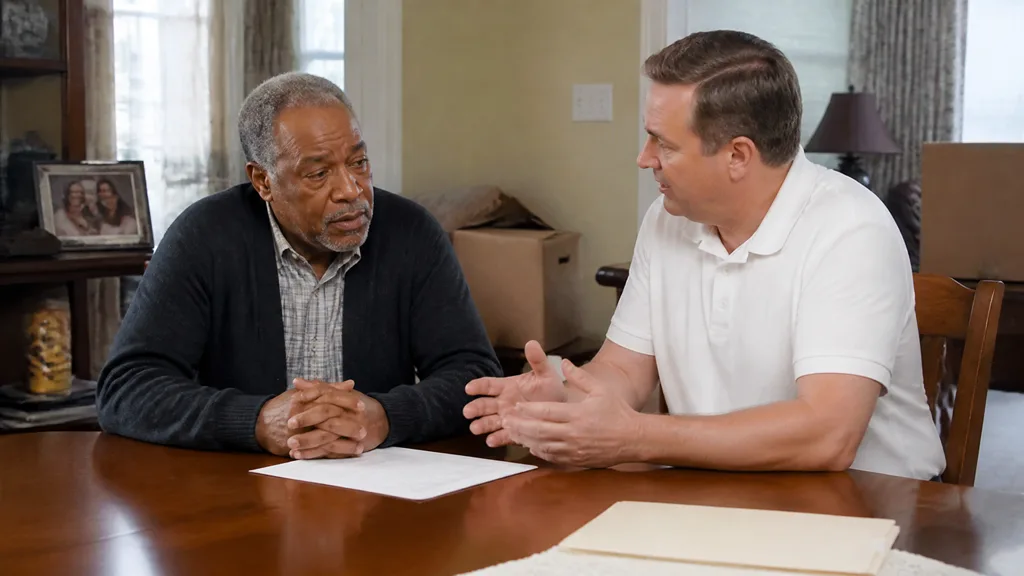



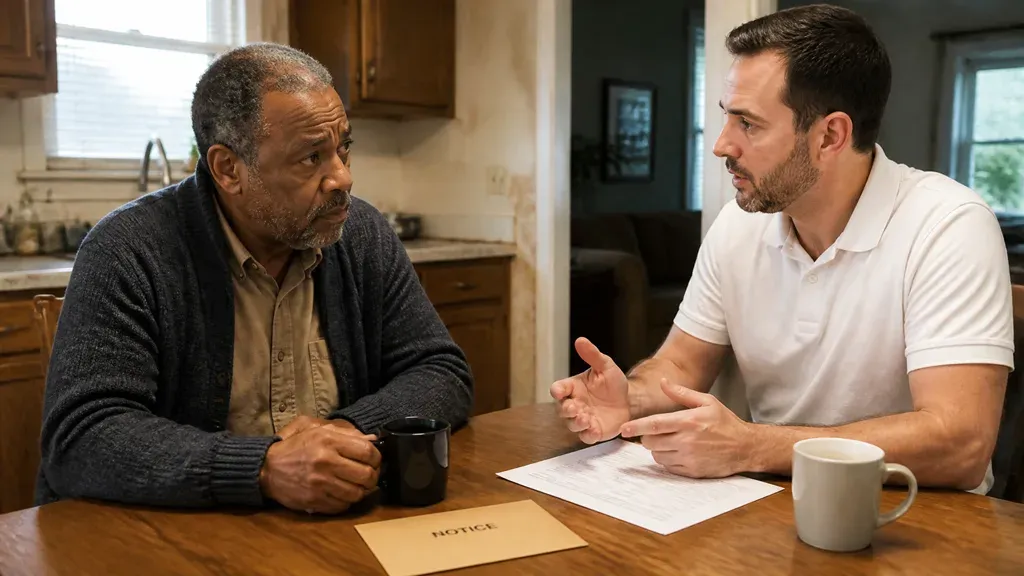
The Short Answer: Yes, You Can Sell
Until the Michigan sheriff’s sale is completed and the redemption period expires, you retain legal ownership of your property. Legal ownership means you have the right to sell. The foreclosure process - even after the breach letter and publication notice - does not transfer title. The sheriff’s sale transfers the deed, but the deed does not become legally effective until after the six-month redemption period. This means you have a substantial window - often eight months or more from first missed payment to the point where a sale is no longer possible - in which a sale remains available as an option.
The practical reality is that the earlier in this window you act, the more control you retain over the process, the more time you have to find the right buyer, and the better the financial outcome is likely to be. A homeowner who sells three months into pre-foreclosure before the publication notice begins is in a fundamentally different position than one trying to close a sale in the final two weeks before a scheduled sheriff’s sale. Both can sell - but the timeline, urgency, and available buyer pool are very different.
Selling Before the Breach Letter: Maximum Options
If you are behind on your mortgage but have not yet received a formal breach letter from your lender, you are in the strongest position to sell. You have not entered the formal foreclosure-by-advertisement process, the sale is not publicly visible, and you have the most time available. A traditional listing through a real estate agent is viable here - you have weeks or months before the process advances to the publication stage. A cash sale to a direct buyer is also an option and provides maximum certainty by eliminating the financing contingency that can kill deals late in the process.
At this stage, homeowners in Farmington and across Oakland County who have equity in their property can often sell through normal channels, pay off the full mortgage balance from proceeds, and walk away with whatever equity remains. The foreclosure process stops the moment the mortgage is paid off at closing - there is no need for any special permission from the lender if the sale proceeds cover the full payoff.
Selling After the Breach Letter and During Publication
Once a breach letter has been issued and publication notices are running, the process is advancing publicly and on a fixed timeline toward the sheriff’s sale. You can still sell during this period - in fact, many Michigan foreclosure sales are stopped by a property sale closing before the auction date. But the urgency is real. Traditional listings that take 60 to 90 days to generate an offer may not have enough runway depending on where in the publication sequence you are.
A cash buyer who can close in 10 to 14 days is often the most practical solution at this stage. The key is initiating contact with buyers immediately - not after the publication notice has been running for three weeks, at which point the sale may be days away. If you have received a breach letter and publication has begun, treat the situation as time-sensitive and start the sale process the same week you learn about it.
How the Payoff Coordination Works
When you sell a property that is in foreclosure, the sale process involves a few additional steps compared to a standard transaction because the lender must be paid off and - depending on the stage - any foreclosure-related fees and costs must also be resolved. Here is how it works in practice:
- Request a payoff statement: Call your servicer and request a written payoff statement through a date approximately 30 days out. This will include the principal balance, all accrued interest, and any fees the servicer has added. This number is what the mortgage must net at closing.
- Foreclosure attorney fees: Once foreclosure proceedings have begun, the lender’s foreclosure attorney fees (typically $1,500 to $3,500 in Michigan) are added to the payoff balance. These are included in the payoff statement. They do not prevent the sale - they are simply paid from proceeds like any other mortgage cost.
- Title company coordinates the payoff: The closing title company orders a payoff demand directly from the servicer, receives the payoff funds at closing, and wires them to the lender as part of the standard closing disbursement. You do not need to coordinate this yourself - the title company handles it.
- Foreclosure process stops at payoff: Once the mortgage is paid in full at closing, the lender has no further basis for foreclosure. The proceedings terminate automatically when the payoff clears.
What If You Are Underwater - Short Sale During Foreclosure
If your property is worth less than you owe on the mortgage - an underwater or upside-down situation - a standard sale will not generate enough to pay off the full mortgage balance. In this case, a short sale is the relevant option. A short sale is a sale where the lender agrees to accept less than the full payoff amount as satisfaction of the mortgage debt. The lender must approve this arrangement in advance of closing.
Short sale approval takes time - typically six to twelve weeks or more for a complete application to be reviewed and approved by the servicer. This means short sales in a foreclosure context must be initiated very early in the process. If the sheriff’s sale is scheduled and a short sale application has not been submitted and approved, the timeline almost certainly will not support a short sale unless the lender agrees to postpone the sale date. Lenders sometimes agree to postpone when a legitimate short sale is actively in progress - this is worth requesting in writing - but it is not guaranteed.
In Farmington Hills and throughout Oakland County, short sales are most successfully executed when the homeowner engages a real estate agent experienced with Michigan short sale transactions early in the pre-foreclosure period - before publication begins. A HUD-approved housing counselor can also assist with the servicer communication required to process a short sale application.
Can You Sell During the Redemption Period After the Sheriff’s Sale?
Yes - with an important distinction. After the sheriff’s sale has occurred, you no longer own the property in the traditional sense. The sheriff’s deed has been issued to the winning bidder (the bank or a third-party buyer). However, you retain the right of redemption - the right to pay the full redemption amount and reclaim title - and you also retain a form of possessory interest during the six-month redemption period.
What you can sell during the redemption period is your right of redemption itself. A buyer can purchase your redemption rights, use their own funds to redeem the property by paying the sheriff’s sale price plus interest to the deed holder, and take title that way. In practice, this is a more complex transaction than a pre-sale and requires a buyer who is experienced with Michigan post-sale redemption mechanics. It is viable in some situations - particularly where the property has equity above the redemption amount - but is not as straightforward as selling before the sheriff’s sale.
If the redemption amount (sale price plus 1% monthly interest) is less than the property’s current market value, there may be equity worth extracting through a redemption-period sale. If the redemption amount exceeds market value, the transaction does not pencil out and a buyer is unlikely to be interested. Getting an honest assessment of property value versus the redemption amount is the first step in evaluating whether a post-sale transaction makes sense.
The Right Buyer for a Foreclosure Sale
Not every buyer is equipped to handle the speed and coordination requirements of a foreclosure-context sale. A buyer who relies on a mortgage commitment - which requires appraisal, underwriting, and lender processing that typically takes 30 to 45 days - cannot reliably close fast enough when a sheriff’s sale is scheduled in two weeks. For compressed-timeline foreclosure sales in Metro Detroit, the practical buyer is either a cash buyer who controls their own funds and can close without a financing contingency, or an experienced investor who has closed similar transactions in the Michigan market before.
When evaluating a buyer during an active foreclosure, ask specifically: Are you buying with cash or financing? How quickly can you close? Have you closed transactions involving active Michigan foreclosures before? Can you provide proof of funds? A buyer who answers yes to all of these and can back it up with documentation is a buyer worth proceeding with. A buyer who cannot provide clear answers to these questions is a risk to your timeline.
Communicating With Your Servicer During the Sale Process
While you do not need your lender’s permission to sell a property that generates enough to pay off the mortgage in full, keeping the servicer informed of an active sale can reduce the risk of the foreclosure process advancing unexpectedly. Some servicers will pause foreclosure proceedings when notified that a signed purchase agreement is in place and a closing date is set - though this is discretionary, not a legal right. Document every communication with the servicer in writing: the date, the representative’s name, the reference number, and what was discussed. In Inkster and throughout Wayne County, servicers vary significantly in their responsiveness and willingness to cooperate during an active sale - having a documented paper trail protects you if a dispute arises about what was communicated.
Second Mortgages, Tax Arrears, and Other Liens
Your first mortgage is rarely the only lien on the property. A title search will reveal every recorded claim against the home - and all of them must be addressed before title can transfer to a buyer. Understanding what liens you are carrying into a sale is critical, especially in a foreclosure context where the payoff is already large and the timeline is compressed. A title company can run a preliminary search early in the process to give you an accurate picture of what net proceeds will look like after all obligations are satisfied.
Second mortgages and home equity lines of credit are common. Both are recorded liens that must be paid at closing. If the sale proceeds are not sufficient to pay both the first mortgage payoff and the full balance of a second mortgage or HELOC, the second lien holder must either agree to a negotiated short payoff or the deal cannot close with a clear title. In practice, second mortgage holders facing a first-mortgage foreclosure often have little leverage - if the first mortgage forecloses and wipes out junior liens, the second gets nothing. This gives them incentive to negotiate a settlement amount rather than hold out for full payment. A real estate attorney or HUD-approved housing counselor can help you open that negotiation with the second lien holder before you have a buyer in place.
Property tax arrears are a separate and significant issue, particularly in Wayne County and parts of Oakland County. Michigan property taxes are paid in arrears - if you have stopped paying taxes along with the mortgage, those delinquent tax amounts appear as a tax lien against the property. County treasurer tax liens are senior to virtually everything else and must be paid from closing proceeds before the mortgage payoff is disbursed. In Wayne County, properties with three or more years of delinquent taxes may be subject to the county’s tax foreclosure process separately from the mortgage foreclosure - this is a distinct process with its own timeline and forfeiture notices. A seller dealing with both mortgage foreclosure and tax delinquency should address both timelines simultaneously to avoid having the tax foreclosure cut off the ability to sell. The Michigan Department of Treasury and individual county treasurers maintain public records of delinquent tax status - verify your property’s current tax standing at the outset so there are no surprises.
HOA dues, mechanic’s liens from unpaid contractors, and municipal code enforcement judgments can also appear as title encumbrances. A mechanic’s lien from a roofing contractor paid years ago, or unpaid condominium association fees, will show up in the title search and must be resolved. These are often negotiable or can be paid from closing proceeds - but surprises at the closing table when you have days left before a sheriff’s sale are avoidable. Run the preliminary title search as early in the process as possible so there are no last-minute complications that derail what would otherwise be a straightforward sale.
The Financial Comparison: Selling vs. Completing Foreclosure
For most Metro Detroit homeowners with equity, selling before a completed foreclosure produces a materially better financial outcome. The differences include:
- Equity recovery: A sale before the sheriff’s sale allows you to collect net proceeds above the mortgage payoff. A completed foreclosure results in the property being sold at auction - sometimes below market value - with any excess proceeds after all liens are paid going to the former owner, if anything remains. In many cases, the auction price leaves nothing for the homeowner.
- Credit impact: Missed payments damage credit regardless of the outcome. A completed foreclosure adds a seven-year notation that significantly affects mortgage eligibility waiting periods. A sale that pays off the mortgage before the sheriff’s sale avoids that completed-foreclosure notation on the credit report.
- Deficiency risk: For non-judicial foreclosure in Michigan, deficiency judgments are generally not permitted after foreclosure by advertisement. However, the clarity of a voluntary payoff-in-full through a sale eliminates any ambiguity.
- Emotional resolution: A structured sale on your own timeline - with a moving date you chose and proceeds you collected - produces a cleaner resolution than an eviction proceeding after a completed foreclosure.
Chris Buys Homes Detroit works specifically with homeowners navigating active foreclosure situations throughout Wayne, Oakland, and Macomb Counties. We can close in 7 to 14 days, we handle the payoff coordination and title work, and we are experienced with the Michigan foreclosure timeline. If you are in foreclosure and want to understand whether a sale makes sense for your specific situation - including where you are in the process, what your payoff is, and what net proceeds might look like - contact us today or call (313) 217-9851. A conversation costs nothing and gives you the information you need to take your next step toward a fresh start.