



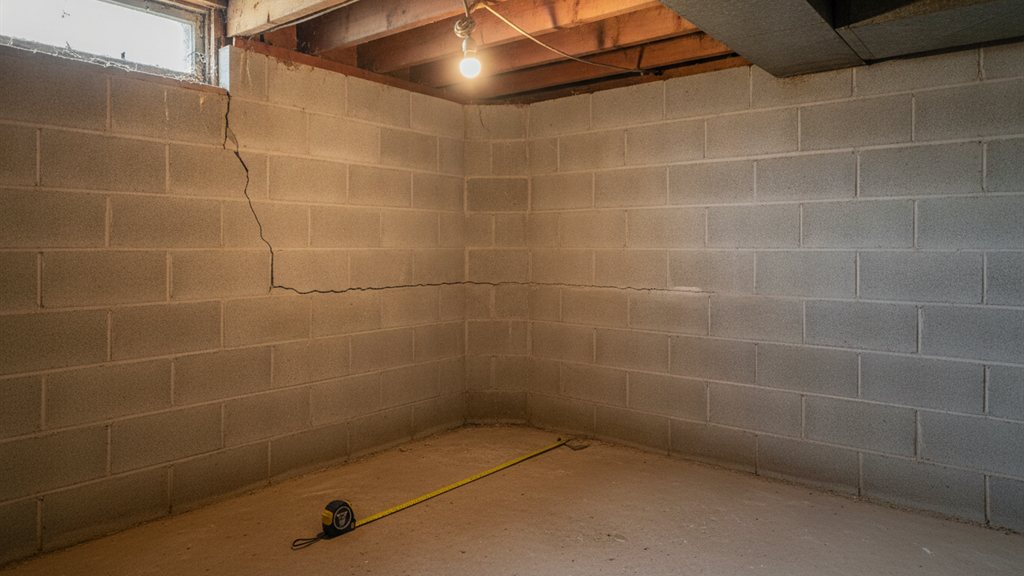
You have three real options: repair the foundation before you list, give the buyer a credit, or sell the house as-is. Each one trades money against time and risk.
One honest note before the details. A minor crack with a structural engineer's letter saying it is not structural can still sell well on the open market. Selling as-is makes the most sense when the problem is bigger than that.
Can you sell a house with foundation problems in Michigan?
Yes. Michigan's Seller Disclosure Act does not stop the sale. It requires you to tell the buyer what you know about the house.
The real limits come from the buyer's side. Many buyers use a mortgage, and lenders have rules about structural soundness. That shrinks the pool of buyers, which is why foundation trouble tends to show up as a price cut or a canceled deal, not a legal problem.
So the better question is which buyer you are selling to: one with a loan, one paying cash, or one willing to take on the repair for a lower price.
What foundation problems do Metro Detroit houses usually have?
Foundation trouble in older Metro Detroit houses tends to trace back to the same few causes: age, clay soil, frost and water. The signs are bowed or cracked basement walls, settling and a damp or wet basement.
Age matters because so much of the housing here is old. About 90% of Detroit's housing was built before 1980, according to a Detroit Future City report covered by Michigan Public. Across the metro area you find everything from 1920s brick bungalows and two-family flats to newer builds, and the older basements have been through decades of freeze and thaw.
Soil and frost do the rest. Southeast Michigan's lake plain, the bed of an old glacial lake, has areas of heavy clay, according to Michigan State University's geography program. Clay swells when it gets wet, and wet soil expands again when it freezes. Fine Homebuilding explains how that pressure pushes on concrete block walls until they crack and bow inward.
Water is the third piece. The City of Detroit notes that basements sit below ground where water seeps in, and that flooding can follow when the foundation and drain tiles are not maintained. Heavy rain and sewer backups add to it.
Do you have to disclose foundation problems when you sell?
Yes, in most sales. Michigan's Seller Disclosure Act requires a written disclosure statement for homes with one to four units, and the form asks directly about water and structural problems.
The form asks whether there has been evidence of water in the basement or crawl space. It asks whether you know of settling, flooding, drainage, structural or grading problems. It also asks about structural repairs made without permits or licensed contractors.
You answer from what you know. The statement is not a warranty, and the form notes that sellers generally have not inspected hidden areas such as the foundation. But a bowed wall you have seen, or a basement that takes on water every spring, belongs on the form.
Timing matters too. The statement goes to the buyer before you sign a binding purchase agreement. If it arrives later, the buyer can cancel within 72 hours of delivery in person, or 120 hours if it was sent by registered mail.
The act lists exemptions, including court-ordered sales, foreclosure sales, transfers to certain close family members, and some estate and trust sales by a fiduciary who does not live in the house. Selling as-is, or selling for cash, is not on that list. If your situation turns on an exemption, talk to a Michigan real estate attorney.
How much does foundation repair cost compared with what it takes off the price?
Small repairs cost a few hundred dollars, while structural work on a bowed wall runs about $4,000 to $12,000 or more. What the problem takes off the price depends on the repair estimate and on how much uncertainty a buyer sees.
National ranges from 2026 cost guides:
- Structural engineer's report: $340 to $780 for a foundation inspection report, according to HomeAdvisor. This Old House puts a report at $500 to $1,000.
- Crack filling: $250 to $800, according to This Old House.
- Bracing a bowed wall: $4,000 to $12,000 for carbon fiber or steel reinforcement strips, according to HomeAdvisor. Today's Homeowner puts wall anchors at $80 to $150 per foot of wall.
- Waterproofing: $2,000 to $7,000, according to HomeAdvisor. This Old House puts interior systems at $2,000 to $6,000 and exterior work at $7,000 to $15,000.
- Straightening a wall or digging out the outside: the top of the range. Today's Homeowner lists wall straightening at $335 to $550 per foot, and This Old House says a full exterior dig with drains and membranes can cost $20,000 or more.
For a typical job, HomeAdvisor puts foundation repair at $2,225 to $8,133, with an average of $5,174. Prices in Metro Detroit can differ, so treat these as starting points and get local quotes.
There is no reliable rule of thumb for the hit to the price. A buyer usually starts from the repair estimate, and a financed buyer may not be able to close until the work is done. We price the same way: for a house that needs work, our offer reflects the repair cost, so it is not always full market value. Our FAQ explains how we get to a number.
Why do financed buyers walk away over foundation issues?
Because their lender may not fund the loan until the problem is repaired or cleared by a professional. Mortgage rules name foundation and water problems specifically.
- FHA loans: HUD requires FHA homes to be safe, sound and secure. Its handbook lists evidence of continuing settlement and excessive dampness as defective conditions. An appraiser who sees a bulging foundation wall, cracked masonry or standing water against the foundation can call for an inspection by a qualified professional.
- VA loans: the VA appraisal checks the house against VA's minimum property requirements, and the notice of value lists repairs needed to meet them. VA's buyer guide suggests a structural engineer's inspection, especially for an older home.
- Conventional loans: Fannie Mae will not buy a loan on a house rated C6, its rating for defects that affect safety, soundness or structural integrity, until those defects are repaired. When an appraisal shows dampness or settlement, the lender needs proof it was fixed or a professional report that it poses no threat of structural damage.
Each step adds time and another chance for the deal to fall apart. An inspection finding also gives the buyer a reason to ask for a lower price. If your listing has stalled for other reasons too, our post on why a house won't sell in Detroit covers the common ones.
How do repairing, offering a credit and selling as-is compare?
Repairing gets you the widest pool of buyers, a credit keeps a deal moving without the work, and selling as-is trades some price for certainty. Here is how they compare on cost, time and risk.
- Repair before you list. Cost: the repair bill and an engineer's report, paid up front. Time: the slowest path, since quotes, any permits and the work come before the listing. Risk: the work can uncover more, and the sale price may not return every dollar.
- Offer a credit or a price cut. Cost: often at least the repair estimate, taken off at closing. Time: you list now and negotiate after the inspection. Risk: the buyer's lender may still require the repair before closing, so a credit does not always save the deal.
- Sell as-is. Cost: a lower price than a repaired house would bring, because the buyer takes on the repair. Time: a cash sale skips the lender's appraisal and repair conditions, and we can close in as little as 7 days or on the date you choose. Risk: there is no lender to back out, but you give up some top-end value.
Our fire-damaged home seller story involves a different kind of damage with the same problem. The owners of a fire-damaged house were also paying for a rental townhouse, and a typical buyer was likely to back out at inspection or ask for concessions. Our offer came in at $350,000, the low end of the owner's own $350,000 to $400,000 range. That is the tradeoff in plain numbers.
Selling as-is is not always the right call. If the problem is a minor crack and a structural engineer's letter says it is not structural, listing the house may well net you more. Fannie Mae's rules let a lender accept a professional report that a condition poses no threat of structural damage, so a letter like that can satisfy a conventional lender.
Selling as-is makes more sense when the engineer calls for bracing, anchors or a rebuild, when the water keeps coming back, or when you would rather not manage a repair at all. That is what our as-is sales for houses that need work are for: no repairs, no cleaning, no showings and no agent commission.
Frequently asked questions
Will a buyer's lender approve a house with foundation damage?
Sometimes, often with conditions. FHA, VA and Fannie Mae rules all address structural soundness. A minor issue may pass with a professional's report saying it poses no structural threat. Serious damage, such as a bowing wall, is likely to need repair before the loan closes. The lender makes the final call, and rules vary by loan program and by lender, so it helps to know early what the buyer's lender will require.
Should I get a structural engineer's report before selling?
Usually, yes. A foundation inspection report costs about $340 to $780, according to HomeAdvisor's 2026 guide, and it tells you whether a crack is cosmetic or structural. A clean report can keep a financed sale on track. A report that calls for major work gives you real numbers to weigh repairing against selling as-is. Either way, you stop guessing.
Does homeowners insurance cover foundation repair?
In most cases, no. Insurers generally treat foundation repair and water seepage as maintenance, and standard policies usually exclude flood damage. There are exceptions: damage caused by a covered event, such as a sudden discharge of water from a plumbing system, may be covered. Coverage turns on the exact wording of your policy, so read the exclusions and ask your agent before you assume either way.
Is a wet basement a foundation problem?
Not always. Water can come from clogged gutters, poor grading, failing drain tile or a sewer backup, none of which means the wall is failing. But wet soil pushes on a foundation over time, and FHA rules treat an excessively damp basement as a reason for an inspection. Michigan's disclosure form asks about evidence of water either way. If water has already damaged the house, see how we buy water-damaged houses.
Can I sell a house with a cracked foundation for cash?
Yes. A cash buyer does not need a lender's approval, so the appraisal and repair rules that slow financed sales do not apply. We buy houses as-is, so you would not repair or clean anything first. The disclosure rules still apply. Expect the price to reflect the repair, and compare our offer with what an agent thinks the house would bring after the work.
How much do foundation problems lower a home's value?
There is no reliable rule of thumb, and no public source we know of measures it well. The repair estimate is the starting point. On top of that, a buyer may discount for what an engineer could not see, and a financed buyer may not be able to close until the work is done. A repair quote and an engineer's report are the best way to put a real number on your house.
Compare your options, no pressure
If you want to weigh a repair quote against an as-is sale, we can give you a no-obligation cash offer, usually within 24 hours. You can read how our as-is sales work first, then call (313) 217-9851 or send us a message when it suits you.
Sources
- FindLaw: Michigan Compiled Laws 565.952, property covered by the Seller Disclosure Act
- FindLaw: Michigan Compiled Laws 565.953, exempt transfers
- FindLaw: Michigan Compiled Laws 565.954, delivery and the buyer's right to terminate
- FindLaw: Michigan Compiled Laws 565.957, seller's disclosure statement form
- HUD: FHA Single Family Housing Policy Handbook 4000.1
- VA: VA Home Loan Guaranty Buyer's Guide
- Fannie Mae: Selling Guide B4-1.3-06, Property Condition and Quality of Construction of the Improvements
- HomeAdvisor: How Much Does Foundation Repair Cost in 2026?
- This Old House: How Much Does Foundation Repair Cost? (2026 Pricing)
- This Old House: How Much Does Basement Waterproofing Cost? (2026 Pricing)
- Today's Homeowner: Bowing Basement Wall Repair Costs (2026)
- Fine Homebuilding: What to Do About a Cracked Concrete Block Foundation
- Michigan State University: Glacial Lake Plains
- Michigan Public: New data shows Detroit has 40,000 landlords, and most of them are locals
- City of Detroit: Basement Backup and Flood Protection
- Triple-I: Am I Covered?